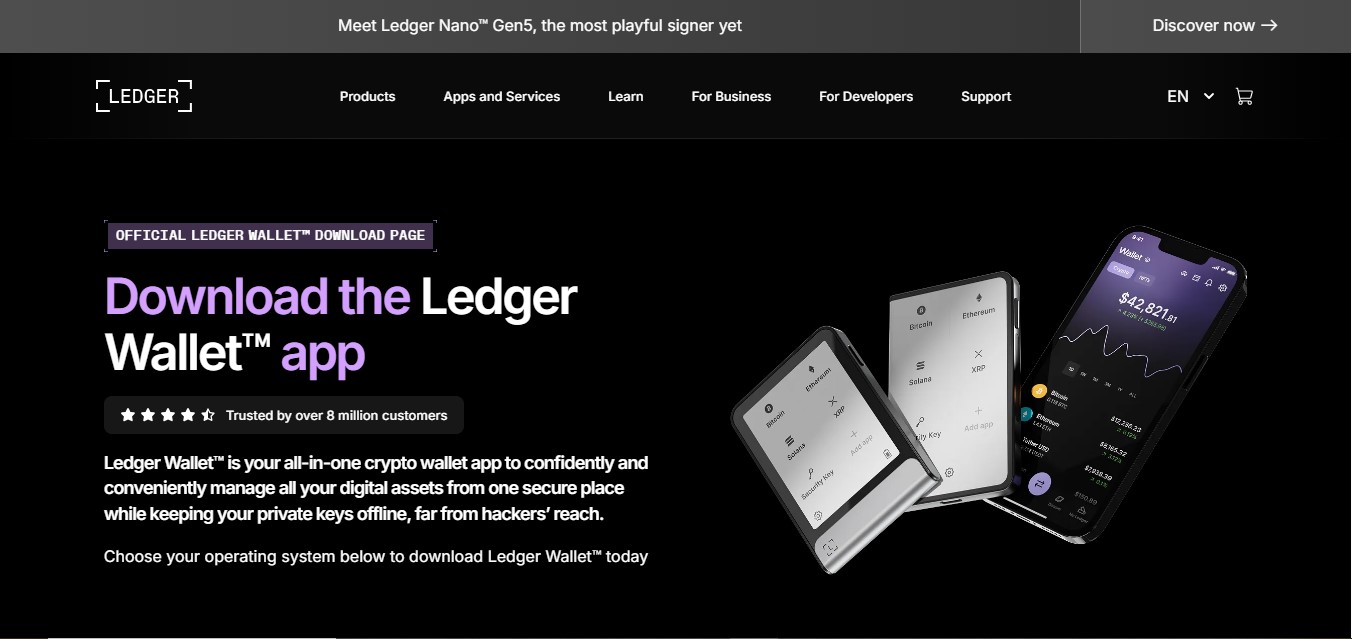
Official® | Lédger.com/Start® | Getting Started
Ledger provides industry-leading hardware wallets and software tools to securely store, manage, and grow your cryptocurrency assets. Whether you are a beginner or an experienced user, getting started with Ledger ensures your digital assets are safe from hacks, phishing attacks, and device vulnerabilities. This guide will take you step by step through setting up your Ledger device, installing Ledger Live, and safely managing your crypto holdings.
1. Understanding Ledger Hardware Wallets
Ledger hardware wallets, including Ledger Nano S Plus and Ledger Nano X, are devices designed to store your cryptocurrency private keys securely offline. Unlike software wallets or exchanges, Ledger keeps your private keys isolated from the internet, making your assets significantly safer.
Key Features:
Secure Element Chip: A tamper-resistant chip to store private keys.
PIN Protection: Prevents unauthorized access to your device.
Recovery Phrase: A 24-word backup to restore your wallet if lost or stolen.
Ledger Live Compatibility: Seamlessly manage your crypto portfolio with Ledger’s official app.
Ledger wallets support thousands of cryptocurrencies, including Bitcoin (BTC), Ethereum (ETH), and most ERC-20 tokens.
2. Unboxing Your Ledger Device
When you receive your Ledger device, ensure that it is sealed and authentic. Ledger packaging includes:
Ledger device (Nano X or Nano S Plus)
USB cable for device connection
Recovery sheets for writing down your 24-word recovery phrase
Instruction manual
Security Tip: Never purchase a Ledger device from a third-party reseller. Only use official Ledger channels to avoid tampered devices.
3. Initial Setup of Your Ledger Device
Step 1: Connect Your Ledger
Use the supplied USB cable to connect your Ledger device to your computer or mobile device. Ledger Nano X can also connect via Bluetooth for mobile use.
Step 2: Power On and Choose Language
Turn on the device and select your preferred language. This will determine the language used for your device interface.
Step 3: Create a New Wallet
You will be prompted to either create a new wallet or recover an existing wallet. For beginners, creating a new wallet is recommended.
Step 4: Set a PIN Code
You will choose a 4-8 digit PIN code. The PIN secures your device, and it is required each time you access it. Make sure your PIN is unique and not shared with anyone.
Step 5: Backup Your Recovery Phrase
Your Ledger device will generate a 24-word recovery phrase, which acts as the ultimate backup to restore your wallet.
Important:
Write down the words exactly as shown on the recovery sheet.
Store this sheet securely offline; never take a photo or save it digitally.
Never share your recovery phrase with anyone, including Ledger support.
Once confirmed, your wallet is ready to use.
4. Installing Ledger Live
Ledger Live is the official companion app for Ledger hardware wallets, available for desktop (Windows, macOS, Linux) and mobile (iOS, Android). Ledger Live allows you to:
Check your portfolio balance
Send and receive crypto assets
Install and manage apps on your Ledger device
Buy, sell, and swap cryptocurrencies securely
Step 1: Download Ledger Live
Visit Ledger.com/Live and download the official Ledger Live app for your device.
Step 2: Install and Open Ledger Live
Follow the installation instructions. Upon opening Ledger Live, select “Get Started”, then choose whether you have a new device or are recovering an existing one.
Step 3: Connect Your Ledger
Connect your Ledger device to your computer or mobile device, unlock it using your PIN, and follow the prompts to integrate it with Ledger Live.
5. Adding Accounts in Ledger Live
Ledger Live allows you to manage multiple crypto accounts within one app.
Step 1: Open Ledger Live
Navigate to the Accounts tab and click Add Account.
Step 2: Select Cryptocurrency
Choose the cryptocurrency you want to add (e.g., Bitcoin, Ethereum). Ledger Live will synchronize with the blockchain to display your account balance.
Step 3: Confirm on Device
Ledger devices require physical confirmation for adding accounts, ensuring no unauthorized additions are possible.
Once added, your accounts will appear in Ledger Live, and you can begin sending, receiving, and tracking assets.
6. Sending and Receiving Crypto
Receiving Crypto
Open Ledger Live and select the account.
Click Receive and verify the address displayed in Ledger Live matches your device.
Share this address with the sender. Always verify on the device to prevent address tampering.
Sending Crypto
Select the account in Ledger Live.
Click Send, enter the recipient address, and specify the amount.
Confirm transaction details on your Ledger device. Physical confirmation ensures safety against malware or phishing.
7. Installing Apps on Your Ledger Device
Ledger devices use apps for each cryptocurrency to manage your funds. For example, you need the Bitcoin app to manage BTC.
Step 1: Open Ledger Live
Go to the Manager tab.
Step 2: Connect Ledger
Connect and unlock your device. Ledger Live will detect available apps for your wallet.
Step 3: Install Cryptocurrency Apps
Select the app and click Install. The installation is quick and safe. Repeat for each cryptocurrency you want to manage.
8. Security Best Practices
Ledger is designed for maximum security, but user practices are critical:
Never share your recovery phrase. Ledger support will never ask for it.
Keep your device firmware up to date to prevent vulnerabilities.
Verify transaction addresses on your device, not just on the computer screen.
Use a strong PIN and avoid predictable numbers.
Store recovery sheets offline in a safe location, ideally in a fireproof safe or a secure vault.
9. Using Ledger for Advanced Features
Beyond basic sending and receiving, Ledger Live offers advanced features:
Swap cryptocurrencies: Exchange one crypto for another directly within Ledger Live.
Staking: Stake supported cryptocurrencies like Tezos (XTZ) and earn rewards.
Portfolio management: Track asset performance and see historical charts.
Integration with DeFi wallets: Access decentralized finance platforms safely via Ledger.
10. Troubleshooting and Support
Common issues are easy to resolve:
Device not recognized: Ensure the USB cable is functional, and try different ports.
Ledger Live updates: Always update Ledger Live to the latest version.
PIN or recovery issues: If you forget your PIN, use the 24-word recovery phrase to reset your device.
For official support, visit Ledger Support for step-by-step guides and FAQs.
11. Summary
Getting started with Ledger is simple, secure, and essential for protecting your cryptocurrency assets. By following this guide, you can:
Set up your Ledger device safely
Secure your recovery phrase
Install Ledger Live and manage accounts
Send, receive, and track cryptocurrencies
Utilize advanced features like swapping and staking
Follow best practices to maintain top-tier security
Ledger combines hardware, software, and best-in-class security practices to ensure your digital assets are always protected. Your journey into cryptocurrency management is now safe, transparent, and under your control.